
December 19th, 2024 – Edmonton, Alberta, Canada
By: Saniya Ghalehdar
I remember being a child and looking in the toy aisles for Barbie’s that looked like me and never quite finding one. I remember watching TV shows or movies and trying to find characters I could relate to. While there were actors who came close, they didn’t represent me.
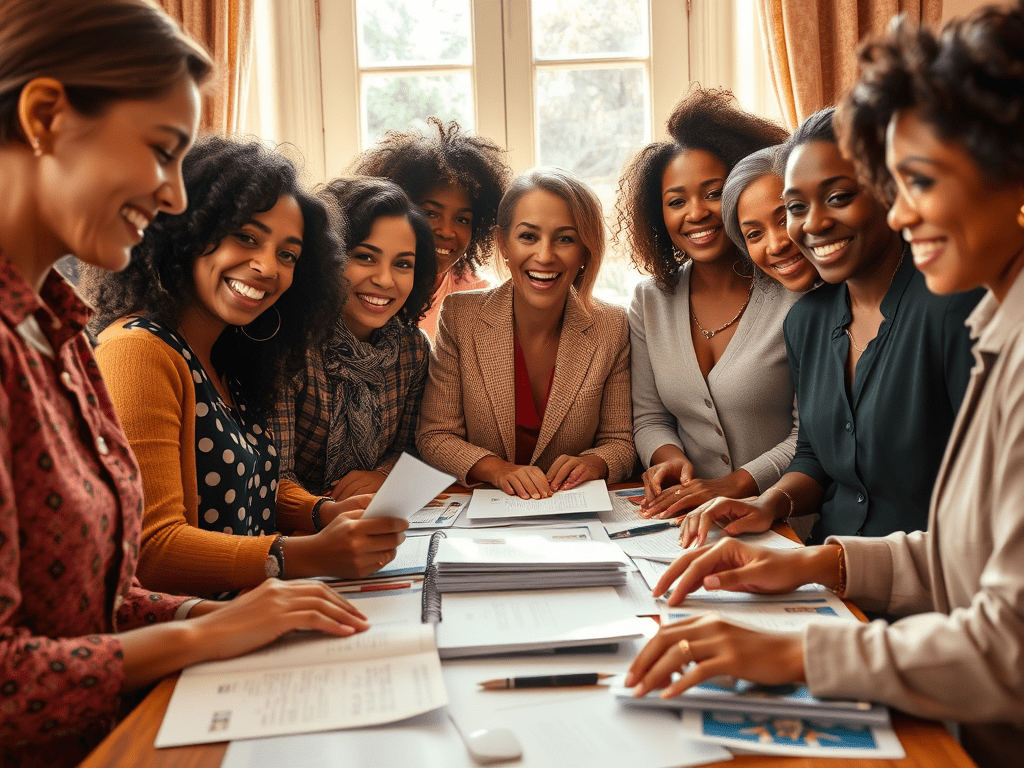
As I approach 40, I’m just starting to see rooms and tables filled with women of all shapes, sizes, and colors. About two years ago, the feeling of alienation began to melt away. It was exciting to see women recognized for their achievements, and to know that little girls wouldn’t have to struggle to imagine their lives in all areas. It’s not about how polished something is—it’s about representation. It helps people like me feel included and know that our voices matter.
Recently, it felt like the technicolor turned on. The DEI movement has been in the works for years, but now it felt like light was shining through in every direction. Women across North America were breaking barriers, and people from all walks of life were becoming the first in many spaces.
“Staying informed was part of my upbringing. Democracy meant everything to my parents, who had to leave their homeland many years ago.”
I’m a politics junkie, and American and Canadian politics have always excited me. Growing up, my parents always had CNN on in the background, while we ate dinner or worked on homework. Staying informed was part of my upbringing. Democracy meant everything to my parents, who had to leave their homeland many years ago. They emphasized the importance of voting and staying informed, no matter where you are in the world.
American elections have always held special significance for me. Watching America shift from Obama’s hope to Trump’s tumultuous years felt like living in an alternate reality. Even after Joe Biden took office, I felt uneasy as Trumpism spread into unexpected places, even in Alberta, where I live. Populism and grievance became the new political language.
When Biden was elected, I hoped it would mark a return to sanity. It felt like we could finally breathe again. I believed anti-racism training and education would combat the divisiveness stoked by grievance politics.
“I feared Americans might not be ready for a woman of color. I kept this feeling to myself but couldn’t shake it.”
Then came the disastrous Biden vs. Trump debate, one of the worst performances by a presidential nominee. My heart sank. When Biden’s own party pushed him out, I thought there wasn’t enough time for a change. I kept asking myself, who could pull it off? There was no clear frontrunner. I’ve always admired Kamala Harris, but I feared Americans might not be ready for a woman of color. I kept this feeling to myself but couldn’t shake it.
As the US election drew closer, I thought maybe this was her time. I tried not to get my hopes up, but the excitement around her was undeniable. I took two days off work to analyze the data. My friends and family asked why this election meant so much to me. The answer is simple: Kamala Harris represented everything I’d longed for as a child searching for a Barbie that looked like me. When you’ve never seen something before, you don’t know if it’s even possible.
Vice President Harris, one of the most qualified people ever to run for the highest office, should have been enough. Yet, despite all the excitement and polls showing a tie, I kept hearing, “We don’t know enough about her.”
Even as she campaigned and her surrogates shared her story, it didn’t seem to matter. Those words, “We don’t know enough about her,” felt personal, even though I knew it wasn’t meant to be. It was like the time I had eight interviews with the same organization and was repeatedly told how qualified I was but that people just needed more time to get to know me. After the third rejection, I stopped asking for feedback, but it kept coming. My mother would say not to complain, that women before me had it worse. So, like Kamala, I kept trying.
“Kamala’s loss made it clear: girls with hues of gold, olive, cinnamon, chocolate, and ebony would still have to wait their turn to lead the conversation.”
As I approach my 40s, I realize something had to recalibrate. Kamala’s loss made it clear: girls with hues of gold, olive, cinnamon, chocolate, and ebony would still have to wait their turn to lead the conversation. I’m not here to complain, but to keep cheering for those who are breaking glass ceilings. I will never run for office, but seeing that glass ceiling stay in place was a painful reminder.
Kamala meant so much to women and girls around the world. She spoke with grace, reminding us that “there is still work to be done.” Like my mother says, we must live to fight another day. My dreams are still alive, and I believe in being of service to my community. But the recalibration has been set. I’m not seeking sympathy; I’m a realist, and I know when to reset. I’m not the only BIPOC woman or child of immigrants who understands this. Sometimes, living to fight another day means grinning and bearing it to earn a seat at the table. We don’t have to shrink ourselves to fit a mold.
The voices of women still searching for themselves in the faces of our leaders must not be silenced. We may have to reset, but this is not the end.
To learn more about this author, visit their Instagram page.
 Coast & Culture
What do you think?